UpeoHMIS: the whole hospital, one patient record.
From the front desk to discharge, every visit, test, drug and bed is in one system, and every one of them reaches the bill. Built by Upeosoft on ERPNext for Kenyan hospitals and clinics.

- Consultation
- 2,000
- Full blood count
- 1,200
- Pharmacy
- 1,850
- Insurer pays
- −4,050
- Patient pays (KES)
- 1,000
- per patient, from triage to discharge
- 1 recordper patient, from triage to discharge
- and private insurers as payors, with claims tracked
- SHAand private insurers as payors, with claims tracked
- posted against the patient's bill
- M-Pesaposted against the patient's bill
- ERPNext and Frappe Healthcare, no lock-in
- Open sourceERPNext and Frappe Healthcare, no lock-in

Every step of a patient's visit
Each department works on the same patient record, so the lab sees what the doctor ordered and the pharmacy sees what the lab found.
Registration and appointments
Patient files, appointment booking by department and doctor, and a queue for walk-ins.
Triage and emergency
Vital signs and triage level at the start of every visit, with an emergency record for urgent cases.
Consultation
The doctor's encounter: complaints, diagnosis, clinical notes, and orders for lab, procedures and drugs.
Laboratory
Sample collection, test templates with normal ranges, results reviewed and sent back to the doctor.
Pharmacy
Medication requests from the doctor, dispensed from stock with batches and expiry, interactions flagged.
Wards and discharge
Admissions, bed occupancy, nursing tasks, inpatient medication rounds and a discharge summary.
One outpatient visit, start to finish
A sample visit as UpeoHMIS records it. Nothing is retyped between departments, and nothing ordered is left off the bill.
- 08:05Front deskPatient checked in, insurance cover confirmedAdded to the queue for General OPD
- 08:20TriageVital signs taken, triage level setSeen in order of urgency
- 08:45DoctorConsultation recorded, blood test orderedLab and bill updated at once
- 09:30LabSample collected and result enteredBack on the doctor's screen
- 09:50PharmacyPrescription dispensed from stockBatch deducted, drug on the bill
- 10:00CashierInsurer's share claimed, patient pays the restClaim tracked until paid

Billing, insurance and the books
Revenue leaks when services are given but never billed, and when claims are sent late. UpeoHMIS bills as care is given.
- Every service, test and drug reaches the patient's bill as it is ordered, not at the end of the day.
- SHA and private insurers set up as payors, with their contracts and eligibility plans.
- Claims raised from the bill and tracked until they are paid.
- M-Pesa payments posted against the bill and reconciled with cash and card.
- KRA eTIMS invoices where the hospital needs them.
- Stock, purchasing, payroll and accounts in the same ERPNext books.
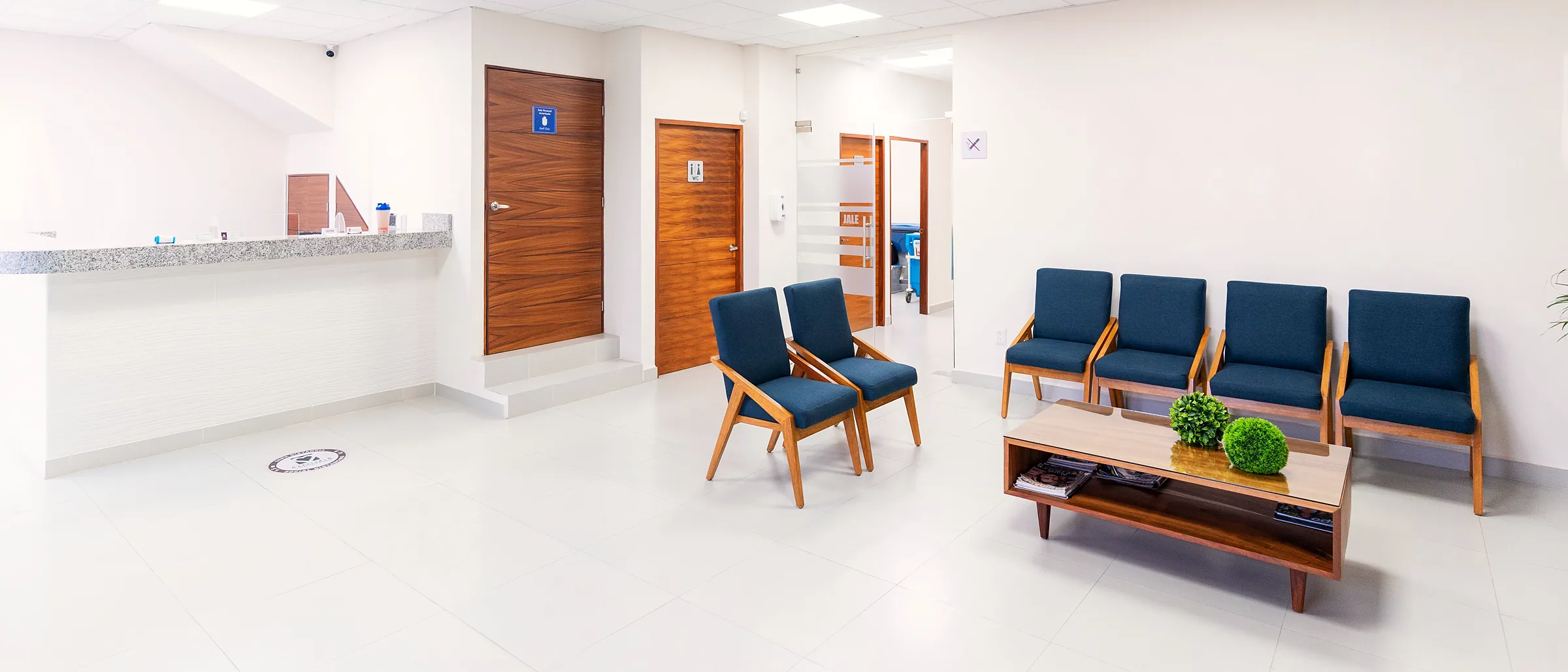
Clinical care and the business of the hospital, in the same system.
Accounts, stock, purchasing and payroll share one database with the patient record.
Frequently asked questions
Quick answers for hospitals and clinics looking at UpeoHMIS.
What is UpeoHMIS?
UpeoHMIS is a hospital management information system built by Upeosoft on ERPNext and the open-source Frappe Healthcare app. It takes a patient from registration and triage through consultation, lab, pharmacy, admission and discharge, and bills every service into the same accounts and stock as the rest of the hospital.
Is UpeoHMIS only for large hospitals?
No. It suits outpatient clinics, medical centres, maternity homes and hospitals with wards. A clinic switches on the modules it uses, such as appointments, consultations, lab and pharmacy, and adds wards and theatre later.
Does UpeoHMIS handle SHA and private insurance?
Yes. SHA and each private insurer are set up as payors with their contracts and eligibility plans. A patient's cover is recorded on their file, services are checked against it, and claims are raised and tracked from the bill.
Can patients pay by M-Pesa?
Yes. Upeosoft connects the hospital's paybill or till, so M-Pesa payments land against the patient's bill and are reconciled with cash, card and insurance.
Why build a hospital system on ERPNext?
Because a hospital is also a business. On ERPNext the clinical side shares one database with accounts, stock, purchasing, HR and payroll, so a dispensed drug leaves stock, a lab test reaches the bill and the finance team reports from the same books. ERPNext and Frappe Healthcare are open source, so the hospital is never locked to one vendor.
How is patient data protected?
Each hospital runs on its own site and database. Staff see only what their role allows, and every change to a record is logged with who made it and when.
Can we move our records from our current system?
Yes. We import patients, price lists, stock and opening balances from Excel or your current system, check them with you on a test site, and only then go live.
See UpeoHMIS on a demo hospital
We walk you through a sample patient's visit, from the front desk to the bill, then plan which departments go live first.